

The Netherlands is a small country in Western Europe, with a rich cultural tradition, great higher education, and an open-minded and pioneering people. Its relatively small area of just over 41000 sq km is home to more than 17 million people. It shares maritime borders with the United Kingdom, Germany, and Belgium. The official language is Dutch. It is the northwestern Europe country that is known for its flat landscape of canals, tulip fields, windmills, and cycling routes. Amsterdam, the capital, is home to the Rijksmuseum, Van Gogh Museum, and the house where Jewish diarist Anne Frank hid during WWII. Canalside mansions and a trove of works from artists including Rembrandt and Vermeer remain from the city’s 17th-century “Golden Age.” The Netherlands has produced many of the world’s most famous artists from Rembrandt and Vermeer in the 17th Century to Van Gogh in the 19th and Mondrian in the 20th. It attracts visitors from across the globe. The Kingdom of the Netherlands consists of four countries, Aruba, Curacao, Sint Maarten, and the Netherlands – which comprises some 98% of the Kingdom’s land area and population and administers most of its affairs.
Archives: Countries
France
France is one of the oldest nations on earth and the most ethnically diverse country in Europe. France, officially the French Republic, is a country located primarily in western Europe. These deep and broad influences have made France a world leader throughout history in nearly all aspects of culture, including cuisine, wine-making, politics, philosophy, music, arts, film, fashion, literature, and sports. France is a developed country with a high nominal per capital income globally and its advanced economy ranks among the largest in the world. France, in Western Europe, encompasses medieval cities, alpine villages, and Mediterranean beaches. Paris, its capital, is famed for its fashion houses, classical art museums including the Louvre, and monuments like the Eiffel Tower. The country is also renowned for its wines and sophisticated cuisine.
Finland
Finland officially the Republic of Finland, is s Nordic country in northern Europe. It has a population of 5.6 million. Helsinki is the capital and largest city. The vast majority of the population are ethnic Finns. Finland’s climate varies from humid continental in the south to Boreal in the north. The land cover is predominantly Boreal forest Biometric, with more than 180000 recorded lakes. Finland is a country in Northern Europe and is a member state of the European Union. Finland is located between the 60th and 70th latitudes North. Its neighbors are Sweden to the west, Norway to the north, Russia to the east, and Estonia to the south, beyond the sea called the Gulf of Finland. Most of the western and southern coast is on the shore of the Baltic Sea.
South Korea
South Korea officially the Republic of Korea, is a country in East Asia. It constitutes the southern of the Korean peninsula and borders North Korea along the Korean demilitarized zone; though it also claims the land border with China and Russia. the country’s western border is formed by the Yellow Sea, while its eastern border is defined by the Sea of Japan. It claims to be the sole legitimate government of the entire peninsula and adjacent islands. It has a population of 51.96 million, of which roughly half live in the Seoul capital area, the ninth most populous metropolitan area in the world. Other major cities include Busan, Daegu, and Incheon.
Germany
Germany , officially the federal republic of Germany, is a country in the western region of central Europe. It is the second most populous country in Europe after Russia, and the most populous member state of the European union. It lies between the Baltic and North sea to the north and the Alps to the south. It is a country with a total population of 84 million. Berlin is the capital city of Germany. Also, Frankfurt is the main financial center and Ruhr is the largest urban area. Germany is the best study destination as it is affordable for international students. In addition, Germany offers a wide range of English programs. International students don’t need to speak German to study. Also, some German universities may require the German language which depends on students’ university choice.
Denmark
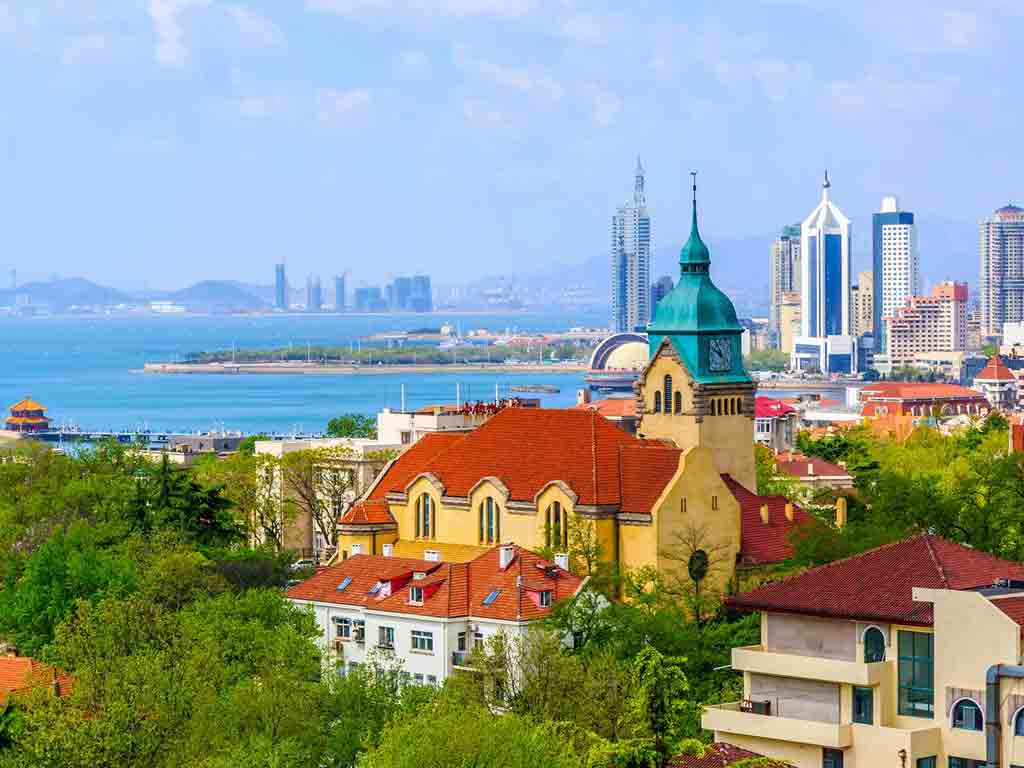
Denmark is a country in Scandinavia and is situated in northern Europe. Jutland Peninsula, the bigger islands of Zealand, Funen, and Lolland-Falster, as well as 429 additional designated islands between the North Sea and the Baltic Sea, of which 72 are inhabited, make up the entirety of the country. Danish higher education has a long history of integrating scholarly brilliance with cutting-edge research and instruction. Active and inspiring learning environments are guaranteed by high academic standards, interdisciplinary courses, and project-based learning. The majority of Danish higher education institutions profit from their partnerships with businesses, industries, and research organizations, which helps to provide a rich and exciting learning environment for their students. International students have access to a variety of options at Danish higher education institutions. The institutes offer a wide range of taught programs and are extremely international.
New Zealand
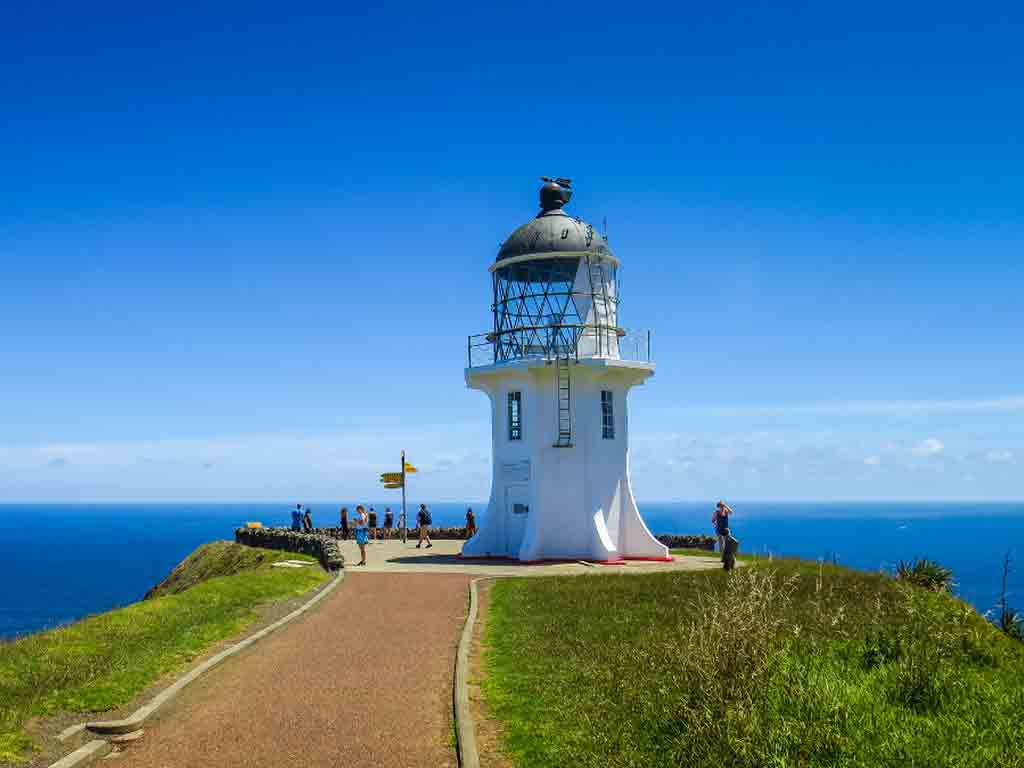
There is more to New Zealand than its magnificent scenery, despite the fact that we are all aware of its beauty. It is quickly becoming one of the top choices for Indian students looking to study abroad. New Zealand has a lot to offer, including a world-class educational system, credentials recognized globally, numerous research possibilities, and an unmatched quality of life. You can count on a warm, friendly community and a first-rate international student support system while you are a student here. Here are a few of the main arguments in favor of continuing your study in New Zealand.
Internationally regarded credentials
All eight of New Zealand’s universities routinely achieve high rankings in the QS World Rankings* and Times Higher Education Rankings, and degrees earned at any of these institutions are recognized across the world, providing access to opportunities worldwide. The New Zealand Qualifications Authority (NZQA) also makes sure that institutions are authorized to accept students from outside New Zealand and that they adhere to the requirements for qualifications.
Quality lifestyle
The great multi-cultural atmosphere that New Zealand offers blends seamlessly with the country’s active outdoor lifestyle. New Zealand exudes wanderlust with its abundance of diverse natural scenery, including rolling green hills, golden sand beaches, snow-capped mountains, volcanic volcanoes, and lush rainforests. Every student who lives here has the opportunity to develop while experiencing the region’s rich cultural diversity and breathtaking natural beauty.
secure and tranquil
According to the Global Peace Index 2018*, which measures the political stability and social tolerance of the Kiwi democracy, New Zealand is ranked second. Your rights as an overseas student are the same as those of your Kiwi peers.
Australia
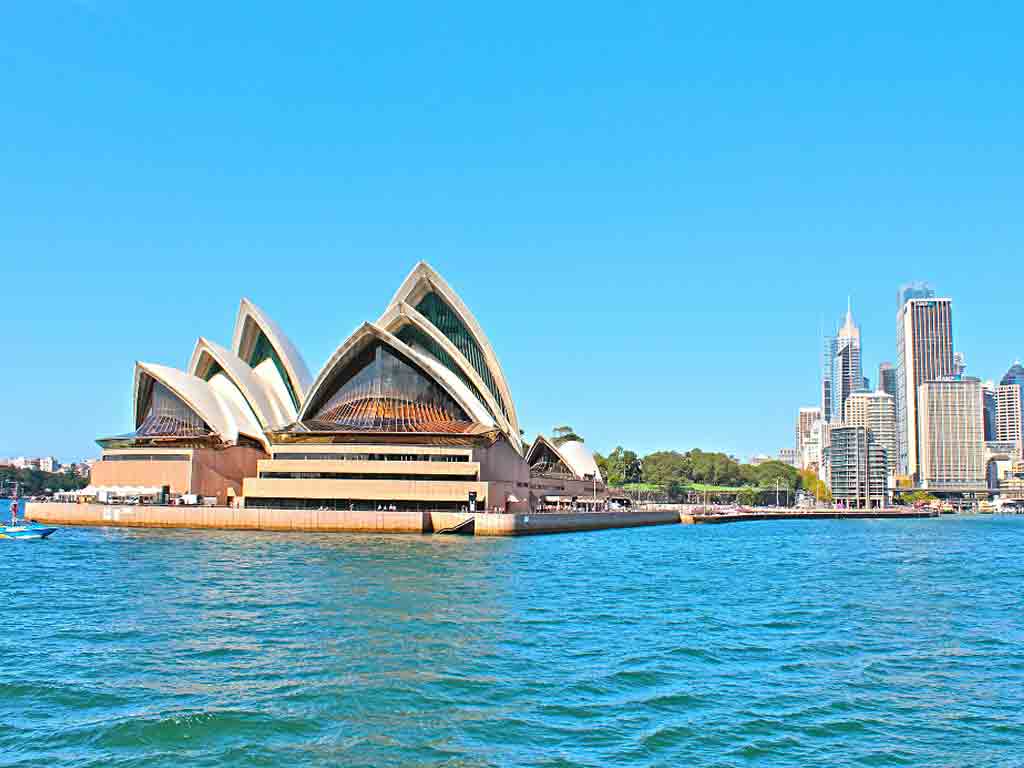
Australia has reputable educational institutions and is a safe, cheap study abroad location. While studying abroad is expensive, Australia has been a more inexpensive option than the majority of other countries for more than 45 years. Australia also provides a high standard of quality education, decent living conditions, and a tolerant multicultural environment. The level of education provided by Australia’s higher education institutions, which are among the greatest in the world, is commensurately high. Higher education in Australia offers shorter, more intensive courses for a lower cost, and quickly incorporates the most recent developments in science and technology as well as contemporary marketing and management trends into their diploma and degree programs. As a result, Australian education is more practical and responsive to the needs of Trade & Industry.
Some of the world’s most prestigious colleges and institutions are found in Australia. These universities provide degree programs that are career-oriented and train future leaders to meet global standards. They also have lovely campuses. In this context, advanced diploma programs in Australia need special consideration. These schools, which are renowned across the globe for their academic brilliance and research accomplishments, have frequently appeared on lists of the top 100 universities in the world that offer graduate diploma programs in Australia.
Every course offered at a university in Australia has a CRICOS Code, which the Australian government grants, demonstrating the extent to which the government in Australia controls the educational system. Universities do not have a recognized rating. As a result, Australia has always been a popular choice for international students seeking an education.
Japan
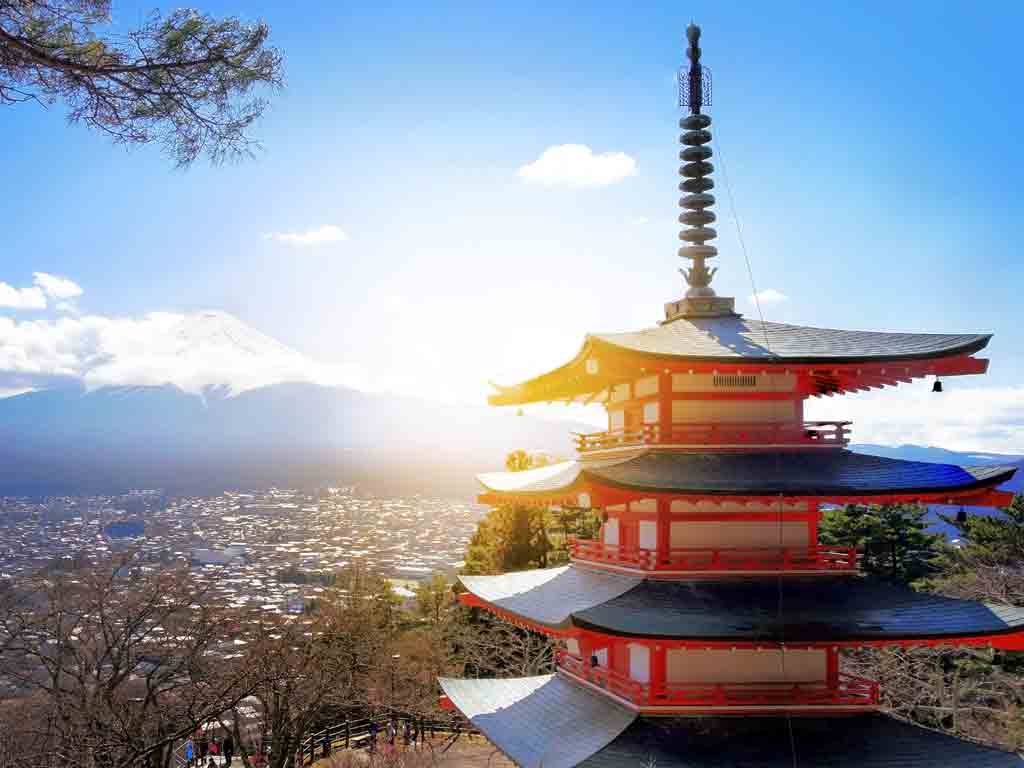
Japan is an archipelago of 6,852 islands in the Pacific Ocean and a country in East Asia. Tokyo serves as the nation’s capital, which is a constitutional monarchy. The majority of people—more than 99 percent—speak Japanese. Japan’s economy, behind that of the United States and the People’s Republic of China, is the third biggest in the world. The yen is the currency of Japan (JPY).
The Price water house Coopers Kyoto, PricewaterhouseCoopers Co., Ltd., PwC Tax Japan, PwC Legal Japan, and their affiliates are all part of the PwC Japan group. Each organization operates as a distinct legal person and is a member firm of the PwC international network in Japan. PwC Japan pools the knowledge of its assurance, advising, and tax experts to handle complex and varied business issues.
PwC Japan assists customers with a range of tax-related compliance and advisory services as a professional services company with around 4,000 partners and employees. PwC Japan offers a variety of tax consulting services, including transfer pricing, business recovery and reorganization, financial services and real estate, customs and indirect tax, and worldwide tax management. PwC Japan also has substantial experience and knowledge in these areas.
Canada
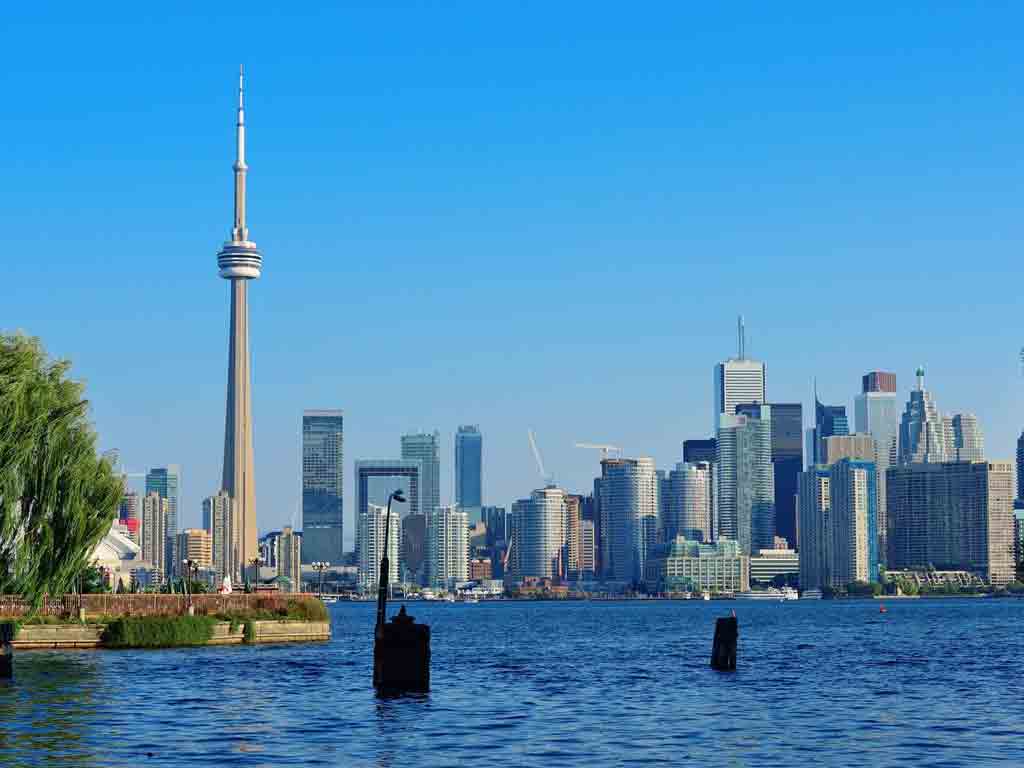
Canada is one of the biggest nations in the world and the biggest in the western hemisphere. Canada, a country in northern North America, stretches from the Atlantic Ocean to the Pacific Ocean and northward into the Arctic Ocean. Its citizens live in a community with a good level of living and a stable administration. The nation is resource-rich and has an advanced transportation network. The federal capital of Canada is Ottawa, and English and French are its official languages. Ten provinces and three territories make up this parliamentary democracy. The Canadian dollar is the official currency (CAD).
Although Canada has an abundance of natural resources, a trained labor force, modern infrastructure, and a robust financial system, the oil and gas industry as well as the country’s overall economy have suffered significantly from the volatility of crude oil prices. The manufacturing sector in Canada has grown, and exports to the United States have increased as a result of the recent decline in the value of the Canadian dollar.
Canada draws thousands of students from all over the world because it is renowned as a center for education. Colleges in Canada provide the same level of high-quality instruction at incredibly low college tuition rates as compared to universities in nations like the USA, UK, Australia, and others. In order to pursue higher education and a better quality of life, an increasing number of Nepali students are opting to study in Canada from Nepal. You may make money while you study in Canada in addition to receiving a high-quality education there.
Because of the high standard of education, plentiful employment prospects, and safety offered by Canada, the majority of Nepalese students studying there have also been urging their friends and relatives to do the same. In Canada, you are permitted to work 20 hours per week during the academic year and full-time on breaks.